
Climate, Community & Micro-Forests: Plymouth’s Climate Mingle

As an architect, sustainability is always front of mind. Architecture plays a direct role in shaping how we live and how we respond to climate challenges. Sometimes that responsibility sits in large-scale decisions, like re-using existing buildings, but it’s also in the details: selecting natural materials over petrochemical products, reducing reliance on cars, or designing with long-term environmental performance in mind.
Project 96 & The Power of Micro-Forests
Bethan from SocieTree introduced Project 96—an initiative aiming to plant 96 urban micro-forests across Plymouth, with a particular focus on primary schools.
These forests are planted using the Miyawaki method, creating highly dense, fast-growing ecosystems. The benefits are significant:
Rapid carbon sequestration
Increased biodiversity
Strong root systems that improve water retention
Opportunities for education and community engagement
SocieTree has already delivered projects in local primary schools and at Beaumont Park, with ambitions to expand further across the city.
Beyond Planting: Rethinking the City
The discussion extended beyond tree planting into broader ideas around green infrastructure—particularly how micro-forests could contribute to urban cooling, biodiversity, and sustainable drainage systems (SuDS).
It sparked conversations about green corridors, city-centre planting, and how underused spaces might be reimagined. One thought that stuck with me: could somewhere like Derrys Cross roundabout become part of this network?
I was personally shocked to hear that in 2023, 1 in 5 children in Plymouth did not own a book. It highlighted the wider disconnect within the city, and reinforced how initiatives like Project 96 are about more than just ecology; they’re about access, education, and community.
Final Thoughts
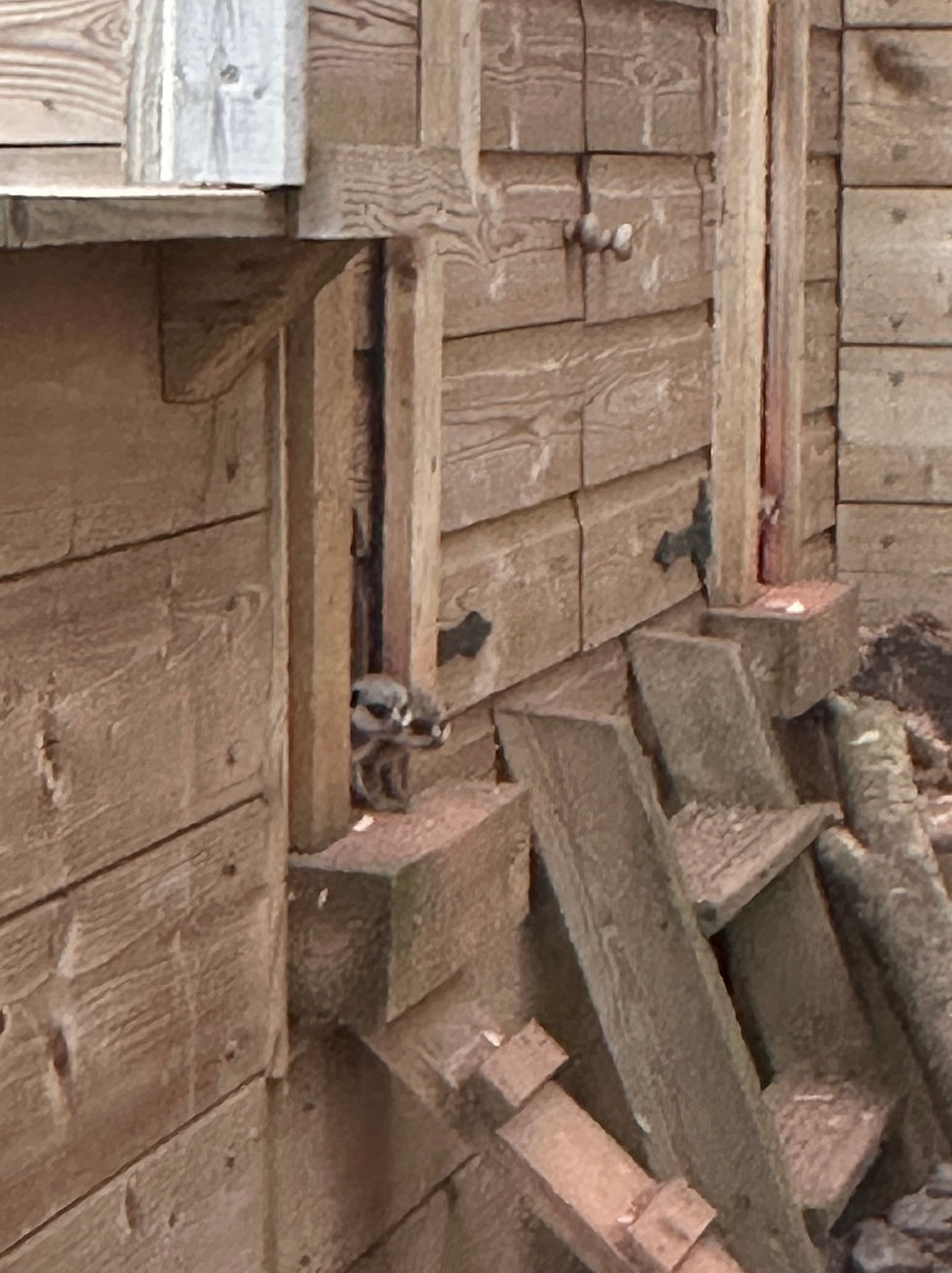
Whilst I had, admittedly attended with an ulterior motive to see the zoo, it was an inspiring evening, full of practical ideas and positive action at a local level. A big thank you to Plymouth Climate Mingle, Dartmoor Zoo, SocieTree for hosting and sharing their work.


Comments